


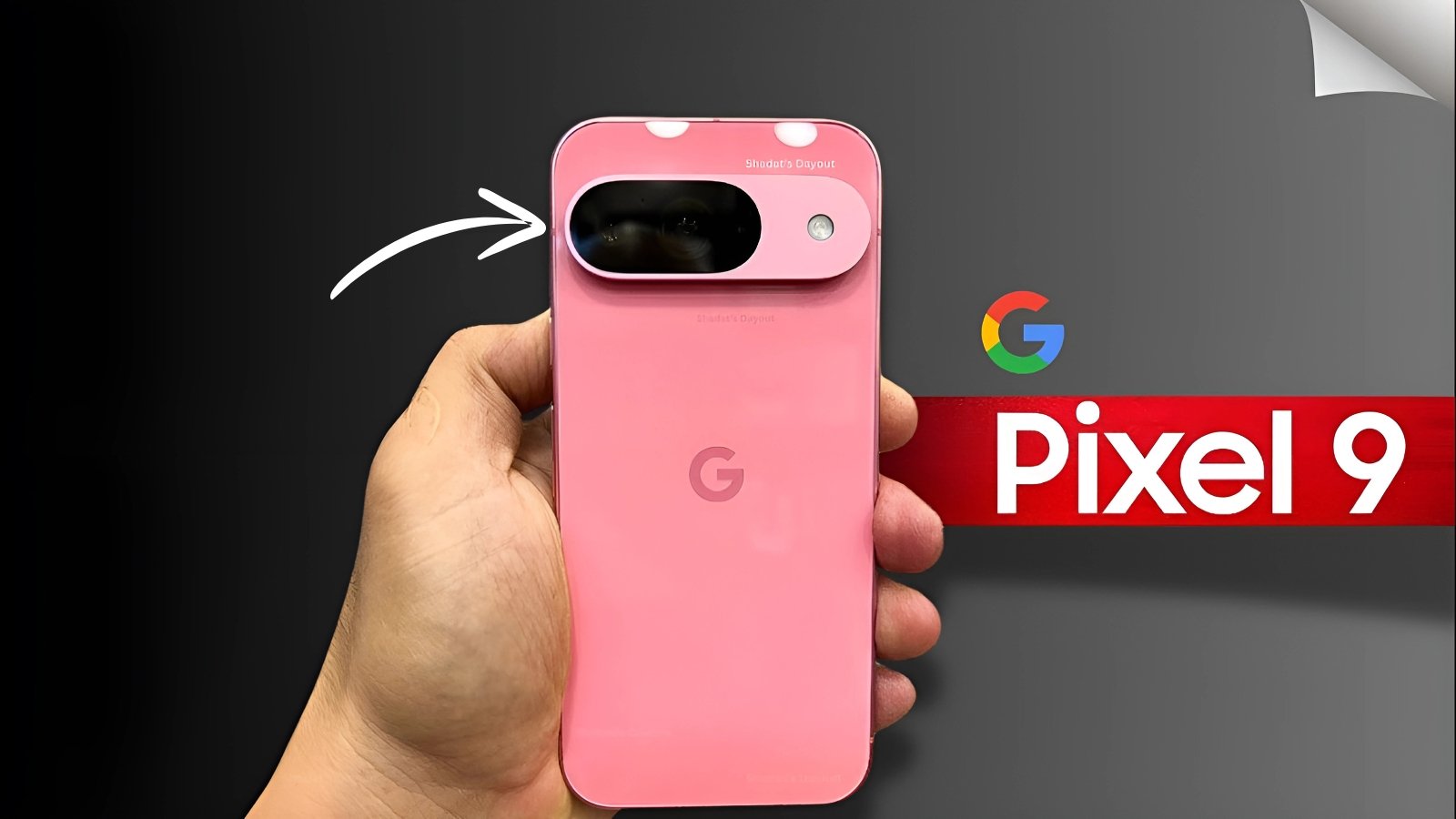
Google Pixel 9: Better than a DSLR?
When Google introduced the Pixel 9, it wasn’t just unveiling another high-end smartphone—it was launching a full-scale challenge to the photography elite. Marketed with bold claims of delivering DSLR-level image quality, the Pixel 9 represents a seismic shift in mobile imaging technology, positioning itself as a viable alternative for even the most discerning photographers.
This is not simply a yearly refresh of hardware specs. The Pixel 9 marks a significant turning point in smartphone photography, combining groundbreaking computational techniques with precision hardware engineering to create a camera system that redefines what’s possible in a device that fits in your pocket.
For Indian and global consumers alike, the message is clear: the future of professional photography is mobile—and the Pixel 9 is leading the way.
Table of Contents
📸 Designed for Image Purists: A 50MP Sensor Engineered for Computational Photography
At the heart of the Pixel 9’s camera system lies a custom-built 50-megapixel main sensor, fine-tuned specifically for Google’s advanced computational photography workflows. Rather than merely capturing light in a traditional sense, the Pixel 9’s sensor is part of a broader AI-driven system that analyzes, reconstructs, and enhances every image at the pixel level.
Each time the shutter is pressed, the phone doesn’t just take one photo—it captures multiple frames across various exposure levels, each recording different details of light, shadow, color, and texture. These frames are then fused using Google’s proprietary image-processing algorithms to generate a single optimized image that surpasses the limitations of any single shot.
This approach allows the Pixel 9 to eliminate noise, recover blown-out highlights, and reveal deep shadow detail—a level of dynamic range and clarity typically reserved for professional-grade cameras and expensive post-processing software.
🤖 AI: The Silent Mastermind Behind Stunning Shots
The secret to the Pixel 9’s extraordinary imaging capabilities lies in the unmatched prowess of its AI and machine learning algorithms. These aren’t just filters or enhancements—they are deeply embedded in the image pipeline, working in real-time to understand scene context, subject positioning, lighting conditions, and user intent.
When capturing a photo, the AI dynamically adjusts everything from shutter speed to white balance, ensuring that motion blur is minimized, color accuracy is maintained, and focus is razor-sharp. This intelligence is particularly visible in fast-moving scenes like street photography, sports, or candid moments.
Thanks to advanced HDR processing, harsh contrasts between light and dark areas are seamlessly balanced, giving images a lifelike tone without flattening them. Predictive focusing ensures that even fleeting expressions or split-second movements are perfectly captured.
Even more impressive is the portrait photography experience. Depth mapping has improved significantly, allowing the Pixel 9 to render natural-looking background blur (bokeh) that convincingly mimics the optical falloff of DSLR prime lenses. Fine details like hair strands and soft fabric edges are accurately separated from the background—an area where most smartphone cameras often falter.
🌙 A Night Photography Powerhouse
Where most cameras—both smartphones and DSLRs—struggle is in low-light photography. This is where the Pixel 9 flexes its technological muscle with capabilities that verge on the unbelievable.




Using Google’s improved Night Sight 2.0 technology, the Pixel 9 captures dozens of images over a short duration and intelligently blends them together to form a final photo that’s rich in detail, balanced in exposure, and surprisingly noise-free—even in near-darkness.
Photographers can now capture dimly-lit alleyways, candle-lit gatherings, or urban nightscapes without the need for a flash, tripod, or additional gear. The results? Crisp textures, lifelike colors, and dramatic shadows—without sacrificing realism.
This has resonated especially well with street photographers and documentary filmmakers, who often work in less-than-ideal lighting environments. The Pixel 9 empowers them to shoot discreetly, silently, and spontaneously, expanding their creative horizons.
🛠️ Manual Controls with Intelligent Automation: A Hybrid Experience
Unlike most smartphones that treat photography as a point-and-shoot affair, the Pixel 9 offers serious shooters the control they crave. Pro mode provides comprehensive manual options including:
- ISO sensitivity
- Shutter speed
- White balance
- Manual focus with peaking assistance
- Histogram overlays for accurate exposure control
For those who prefer post-processing flexibility, the ability to shoot in RAW format offers complete control over editing in software like Adobe Lightroom. And yet, for users who prefer immediate results, the computational mode ensures stunning, ready-to-share photos with zero effort.
The Pixel 9’s intelligence extends to video recording, too. It shoots ultra-stable 4K video with frame-by-frame analysis to compensate for hand movements and vibrations—eliminating the need for external stabilizers or gimbals. Real-time subject tracking and AI-driven auto-framing help maintain dynamic compositions even when subjects are in motion.
🧪 Real-World Testing: How It Stacks Up Against DSLR Giants
Numerous side-by-side comparisons with high-end DSLR cameras in controlled environments show that the Pixel 9 performs shockingly well—especially in natural and mixed lighting. In many cases, its computational advantages even give it an edge in difficult scenes, such as backlit portraits or shadow-heavy landscapes.
Its biggest limitation lies in optical versatility. Without interchangeable lenses or a large sensor, the Pixel 9 can’t match the sheer reach of a DSLR with a telephoto lens or the shallow depth of field from a full-frame sensor. However, Google’s AI-assisted digital zoom manages to preserve detail impressively well, especially up to 4x magnification.
In portrait sessions, the Pixel 9 showcases advanced face and eye detection, automatically prioritizing focus and exposure for human subjects—even in group shots or busy scenes. Natural skin tones, improved color science, and accurate contrast control deliver professional results without retouching.

For landscape and architectural photography, the phone captures edge-to-edge sharpness and maintains excellent dynamic range, rivaling images shot on expensive wide-angle glass.
🌍 Changing the Game: Making Professional Photography Accessible
The impact of the Pixel 9 goes far beyond specs and sample images—it signifies a democratization of professional-grade photography. No longer is top-tier image quality locked behind a paywall of high-end gear or years of training.
Creative individuals, students, travel bloggers, and aspiring photographers now have a powerful tool in their pocket that enables them to capture world-class imagery without investing in a DSLR setup.
Many wedding photographers and event professionals are using the Pixel 9 as a stealthy second camera, praising its discreet design, exceptional low-light abilities, and instant image delivery. Meanwhile, journalists and social documentarians appreciate the subtlety of shooting with a phone, avoiding the intimidation or attention that traditional camera gear can attract.
However, for specialized applications like macro, high-speed sports, or studio photography with external flashes, DSLRs and mirrorless systems still have their place. But for the vast majority of real-world scenarios, the Pixel 9 is not only good enough—it’s exceptional.
🔮 The Road Ahead: What the Pixel 9 Tells Us About the Future
The Pixel 9 doesn’t just compete with traditional cameras—it redefines what a camera is. By fusing powerful AI with custom hardware, Google has essentially created a new photographic paradigm: one that values intelligence, automation, and real-world practicality as much as it does optics and megapixels.
As computational photography continues to evolve, we can expect even greater strides in areas like real-time depth mapping, multi-sensor fusion, AI-driven scene reconstruction, and generative enhancement. The Pixel 9 is just the beginning of a new era in which your smartphone may be smarter—not just smaller—than your DSLR.
📱 Conclusion: The Pixel 9 Isn’t Just a Phone—It’s a Revolution in Your Pocket
The Google Pixel 9 stands as a symbol of technological convergence, bringing together decades of photographic principles with the intelligence of modern AI. For photographers, it represents a legitimate alternative to expensive gear. For everyday users, it opens doors to creative expression once out of reach.
By making high-quality photography portable, affordable, and intuitive, the Pixel 9 breaks down the final barriers between professional and personal image-making. Whether you’re documenting daily life or creating gallery-worthy work, this device has the power to do it all—beautifully, intelligently, and effortlessly.
The DSLR isn’t dead. But it may finally have met its match.







What's Your Reaction?


