The demand for spacious, family-friendly vehicles continues to rise in India, and the 7-seater SUV segment is thriving as a result. Automakers are responding with a wave of new launches lined up for 2025 and beyond. Among the most anticipated are models from Mahindra, Renault, MG, and Nissan, each bringing something unique to the table.
Here’s a look at the upcoming 7-seater SUVs set to debut in the Indian market:
1. Mahindra XEV 7e
Mahindra is gearing up to launch the XEV 7e, an all-electric SUV that will be India’s first mass-market 7-seater EV. Expected to hit the roads by the end of 2025, the XEV 7e is essentially the electric iteration of the XUV700 and has already been spotted in testing.
Built on Mahindra’s advanced INGLO skateboard platform—shared with the XEV 9e and BE 6—the SUV is likely to come with two battery options: 59 kWh and 79 kWh, with rear-wheel drive as standard. Buyers can also expect both 6- and 7-seat configurations at launch.
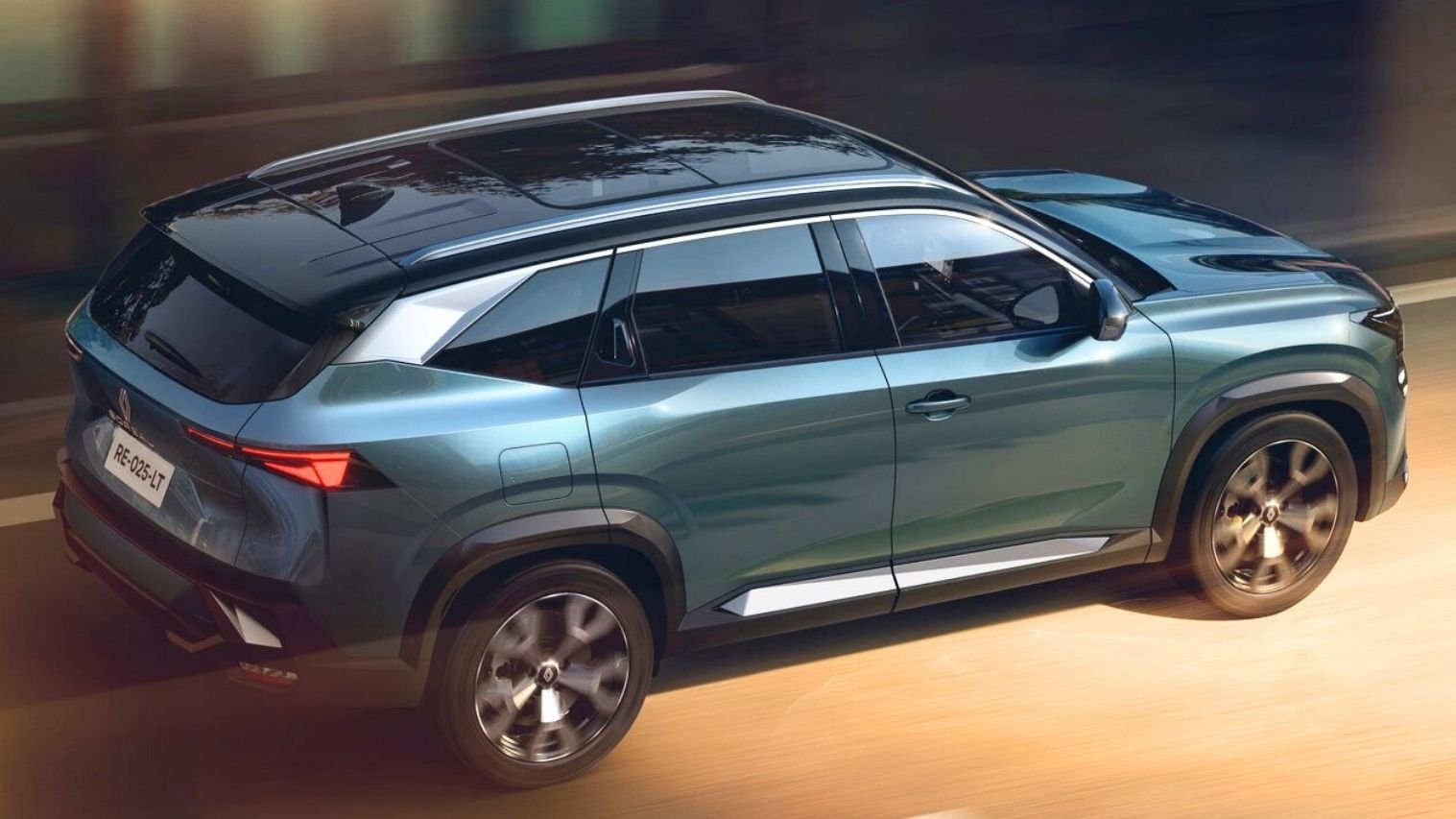
2. Renault Boreal
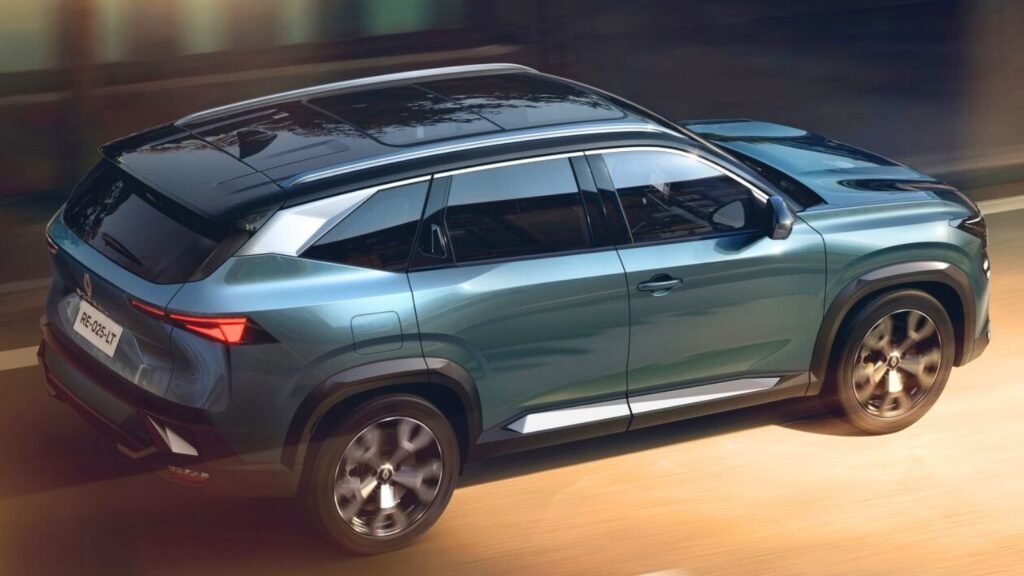
Renault has officially unveiled the Boreal SUV, which will be offered in a 7-seater layout for the Indian market. Based on the Dacia Bigster, the Boreal sits on the CMF modular platform, measuring 4,556 mm in length with a 2,702 mm wheelbase.
Internationally, the Boreal is offered with a 1.3-litre turbo-petrol engine, delivering up to 163 hp and 270 Nm in its flex-fuel version. Petrol-only variants produce either 138 hp or 156 hp, both with 240 Nm of torque, mated to a 6-speed DCT automatic gearbox.
3. MG Majestor
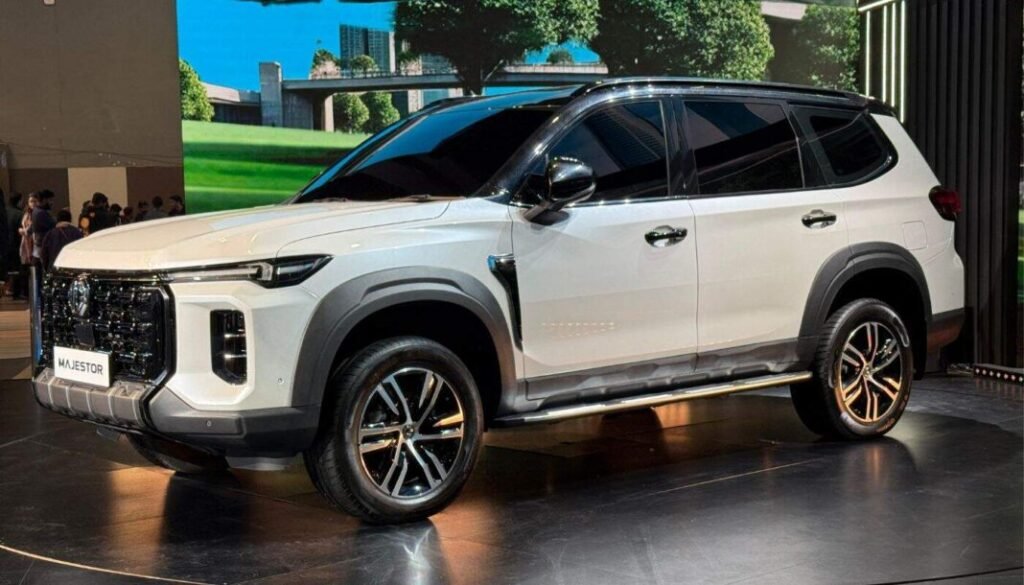
JSW MG Motor India is preparing to launch the Majestor, a refreshed and rebranded version of the Gloster SUV. While the Gloster will continue to be sold alongside it, the Majestor brings a redesigned exterior inspired by the Maxus D90, MG’s global full-size SUV.
Under the hood, it will retain the powerful 2.0-litre twin-turbo diesel engine, delivering 216 bhp and 479 Nm of torque. This engine will be paired with an 8-speed automatic transmission, with both RWD and 4WD options expected to be available.
4. Upcoming Nissan 7-Seater SUV
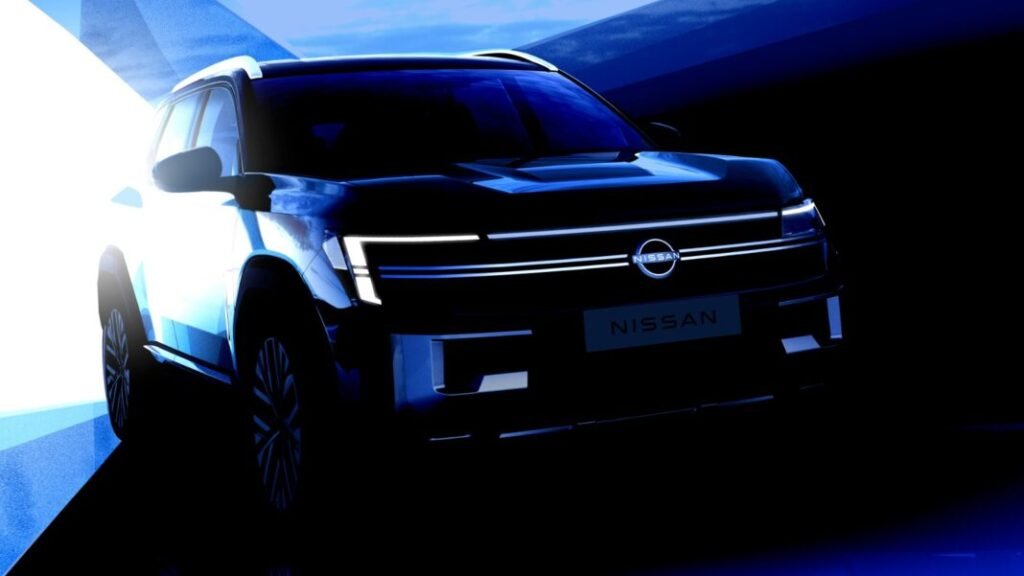
Nissan is also set to join the fray with its own 7-seater SUV, based on the same CMF-B platform as the Renault Boreal. Slated for launch in early 2027, this model will mirror the design of the upcoming 5-seater Duster-based SUV, which is expected to go on sale in India next year.
While official details are still under wraps, the Nissan SUV is expected to share its powertrain with the Boreal—featuring the 1.3-litre turbo petrol engine mated to a DCT automatic gearbox.
With these models on the horizon, India’s 7-seater SUV market is set for major expansion, offering more choices for families looking for space, comfort, and advanced technology.
🔌 Electric Vehicles (EVs) FAQ
1. What is an electric vehicle (EV)?
An electric vehicle (EV) is a type of vehicle that is powered entirely or partially by electricity, instead of a traditional internal combustion engine (ICE) that runs on petrol or diesel. EVs store electricity in a rechargeable battery, which powers an electric motor to drive the wheels.
2. What are the main types of EVs?
- Battery Electric Vehicles (BEVs): Fully electric and run only on battery power (e.g., Tata Nexon EV, Tesla Model 3).
- Plug-in Hybrid Electric Vehicles (PHEVs): Have both an electric motor and a petrol/diesel engine. Can run short distances on electric power before switching to fuel (e.g., Toyota Prius PHEV).
- Hybrid Electric Vehicles (HEVs): Use a combination of an internal combustion engine and electric motor but cannot be charged externally (e.g., Toyota Camry Hybrid).
3. How far can an EV travel on a single charge?
The driving range depends on the battery capacity and vehicle model. On average:
- Entry-level EVs: 150–250 km
- Mid-range EVs: 300–500 km
- Premium EVs: 500–700+ km
4. How long does it take to charge an EV?
Charging times depend on the charger type and battery size:
- Level 1 (Slow charging, 15A socket): 8–12 hours
- Level 2 (AC Fast charger): 3–6 hours
- DC Fast Charger: 30 minutes to 1 hour for 80% charge
5. How much does it cost to charge an EV?
Charging costs vary by electricity rates. On average:
- ₹1 to ₹2 per km driven (vs. ₹6–₹10 for petrol/diesel)
For a full charge, it typically costs ₹150–₹400 depending on battery size and local tariffs.
6. Are EVs more expensive than petrol or diesel cars?
Yes, the initial cost of EVs is usually higher due to battery costs. However, EVs have lower running and maintenance costs, and government incentives may help offset the upfront price.
7. How long do EV batteries last?
EV batteries generally last 8–10 years or 150,000–200,000 km, depending on usage and care. Most manufacturers offer 8-year battery warranties.

8. Is maintenance cheaper for EVs?
Yes. EVs have fewer moving parts (no engine, oil, or gearbox), which means:
- Lower maintenance costs
- Fewer breakdowns
- No oil changes, spark plugs, or exhaust systems to service
9. Are EVs safe to drive?
Absolutely. EVs undergo the same safety standards as regular vehicles. Most modern EVs come with:
- Airbags
- ABS, ESC, traction control
- Battery safety management systems
- Crash-tested bodies
10. Where can I charge my EV in India?
EVs can be charged:
- At home using a wall box or a regular 15A plug
- At public charging stations (available in major cities and highways)
- At workplaces or malls offering EV charging infrastructure
You can use apps like Tata Power EZ Charge, ChargeGrid, or PlugShare to locate nearby charging points.
11. Can I drive an EV in the rain or through water?
Yes. EVs are designed to be water-resistant and weatherproof. The battery packs are sealed and protected from water ingress. However, like all vehicles, avoid driving through deep or flooded roads.
12. Are there government incentives for EV buyers in India?
Yes. Under the FAME-II scheme, buyers can get incentives on electric two-wheelers, cars, and commercial EVs. Additionally, many states (like Delhi, Maharashtra, and Gujarat) offer extra subsidies and road tax exemptions.
13. How eco-friendly are EVs really?
EVs produce zero tailpipe emissions, reducing urban air pollution. Even when considering electricity generation, they have a lower carbon footprint over their lifetime compared to petrol/diesel cars.
14. Can I take an EV on a long road trip?
Yes, as long as you plan your route around available charging stations. With increasing fast-charging infrastructure on highways, long-distance travel is becoming more practical for EVs.
15. What should I consider before buying an EV?
- Your daily driving range
- Availability of charging infrastructure at home or nearby
- State and central government incentives
- Long-term cost savings vs. upfront cost
- Service support and warranty from the brand