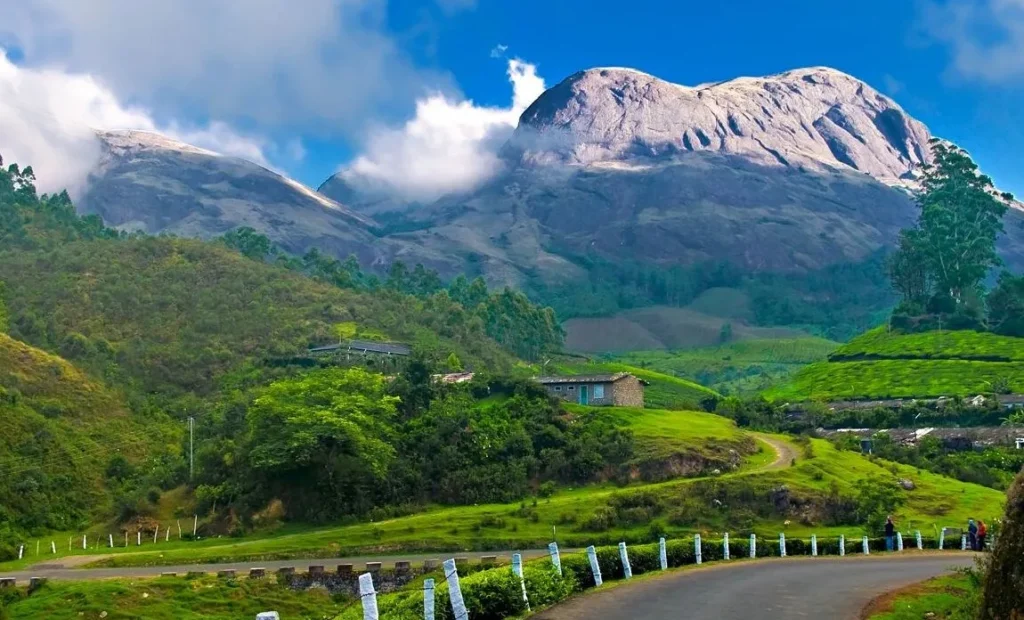
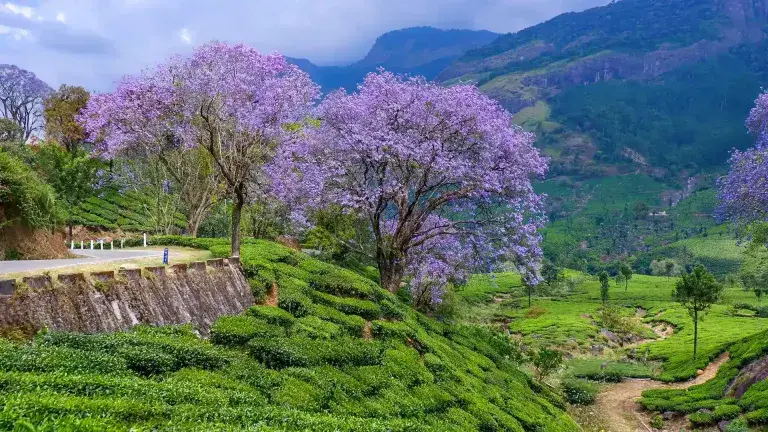
Nestled in the lap of the Western Ghats in Kerala, Munnar is one of India’s most celebrated hill stations. Known for its endless tea plantations, rolling green hills, mist-covered valleys, and pristine waterfalls, Munnar offers the perfect blend of natural beauty, colonial history, and cultural richness. Situated at around 1,600 meters above sea level, it is fondly called the “Kashmir of South India” and is a paradise for honeymooners, adventure seekers, and nature lovers alike.
From the British colonial-era charm to the aroma of fresh spices, from wildlife sanctuaries to gurgling streams, Munnar has a charm that stays with you long after you’ve left.
History of Munnar
The name “Munnar” is derived from the Malayalam words “Moonu” (three) and “Aru” (river), meaning the land where three rivers meet – the Muthirapuzha, Nallathanni, and Kundala rivers.
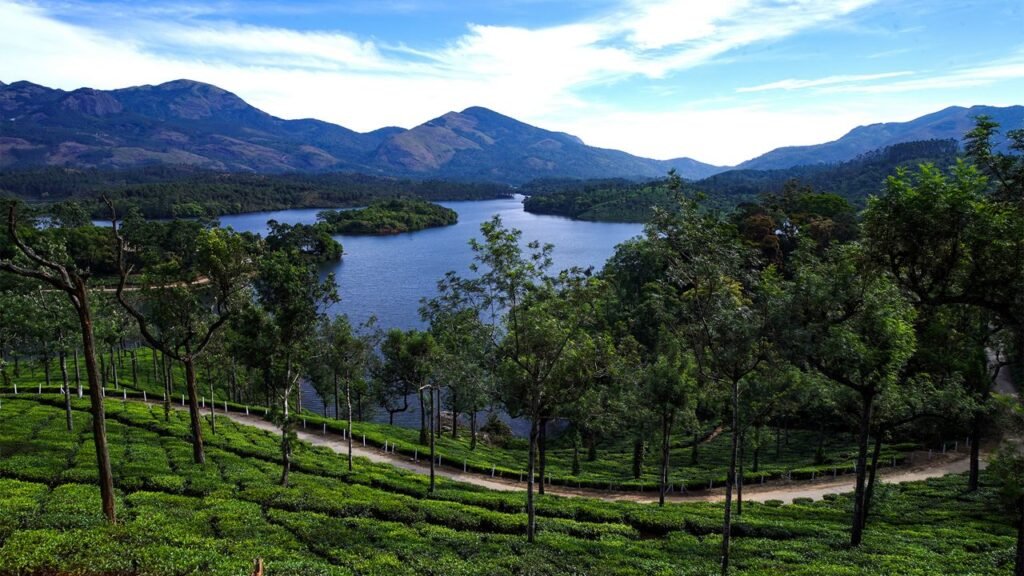
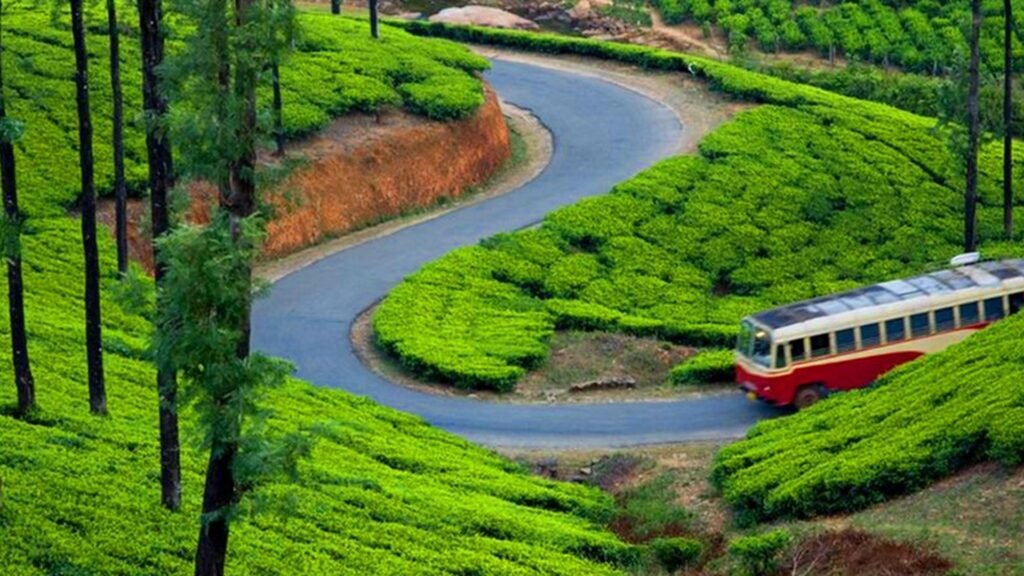
Historically, Munnar was inhabited by tribal communities like the Muthuvans, who lived in harmony with the forests and practiced shifting cultivation. In the late 19th century, British planters discovered the region’s potential for tea cultivation. They transformed Munnar into sprawling tea estates, many of which still operate today under companies like Tata Tea.
The British also built bungalows, churches, and roads, giving the town its colonial architectural charm. Tea cultivation expanded rapidly, and Munnar soon became the tea capital of South India. Post-independence, Munnar continued to be a major center for tea production and gradually evolved into a popular tourist hub.
Geography & Climate of Munnar
Munnar’s terrain is a mix of undulating hills, dense forests, and high-altitude grasslands. The region is home to Anamudi Peak, the highest point in South India at 2,695 meters.
- Summer (March to May): Pleasant, with temperatures ranging from 15°C to 25°C.
- Monsoon (June to September): Heavy rainfall transforms Munnar into a lush paradise with roaring waterfalls.
- Winter (October to February): Cold and misty, with temperatures sometimes dropping to 5°C, ideal for honeymooners.
Culture of Munnar
Munnar’s culture is a fusion of Kerala’s traditional customs and colonial British influences. While the tea gardens and bungalows reflect European heritage, the local festivals and cuisine showcase Kerala’s vibrant traditions.
- Languages Spoken: Malayalam, Tamil, and English.
- Festivals:
- Onam – Kerala’s harvest festival with floral carpets (pookkalam), boat races, and feasts.
- Vishu – The Malayali New Year marked by auspicious rituals and traditional feasts.
- Tea & Tourism Festival – Celebrates Munnar’s tea heritage with exhibitions, cultural shows, and food stalls.
Local life here revolves around tea cultivation, spice farming, and tourism. Many of the workers in tea estates are descendants of Tamil laborers brought during the colonial era.
Food of Munnar
The cuisine in Munnar is influenced by Kerala’s spices, coconut-based curries, and Tamil flavors.
Must-Try Dishes in Munnar
- Kerala Parotta with Beef Curry – Flaky bread with rich, spicy meat curry.
- Appam with Stew – Rice pancakes with creamy vegetable or chicken stew.
- Kerala Sadya – Traditional vegetarian feast served on a banana leaf with 20+ dishes.
- Idiyappam with Egg Curry – Soft string hoppers with spicy egg gravy.
- Freshly Brewed Tea – Straight from the plantations, offering unmatched aroma and taste.
- Homemade Chocolates & Spices – Perfect souvenirs from Munnar’s local shops.
Tourist Attractions in Munnar
Munnar offers a diverse range of attractions, including tea gardens, wildlife sanctuaries, lakes, and waterfalls.
Munnar Tourist Attractions – Quick Guide
| Attraction | Distance from Munnar Town | Entry Fee (Approx.) | Highlights |
|---|---|---|---|
| Eravikulam National Park | 7 km | ₹120 (Adults), ₹90 (Children) | Nilgiri Tahr, Neelakurinji flowers, trekking |
| Tata Tea Museum | 2 km | ₹75 | Tea history, machinery, tasting sessions |
| Anamudi Peak | 13 km | Trekking permit required | Highest peak in South India, scenic trek |
| Mattupetty Dam & Lake | 13 km | ₹10 (entry), boating extra | Boating, views, photography |
| Attukal Waterfalls | 9 km | Free | Waterfall treks, monsoon beauty |
| Top Station | 32 km | Free | Panoramic views, sunrise/sunset spots |
| Kundala Lake | 23 km | ₹20 | Pedal boating, cherry blossoms |
| Chinnar Wildlife Sanctuary | 60 km | ₹15–₹300 depending on activity | Wildlife safari, trekking, eco-tourism |
| Meesapulimala | 38 km | Trekking package | Second-highest peak in South India |
| Blossom Hydel Park | 3 km | ₹10–₹20 | Garden walks, cycling, family activities |
Adventure & Activities
- Trekking & Hiking – Trails to Anamudi Peak, Meesapulimala, and Chokramudi.
- Camping – Stay under the stars amidst tea gardens.
- Wildlife Safari – In Eravikulam National Park and Chinnar Sanctuary.
- Cycling Tours – Explore the plantations on two wheels.
- Tea Tasting – Discover various tea varieties and learn about their brewing techniques.
Shopping in Munnar
- Tea Leaves & Dust Tea – From local plantations.
- Spices – Cardamom, cinnamon, pepper, and nutmeg.
- Handicrafts – Bamboo and coir products.
- Homemade Chocolates – A local specialty.
Best Time to Visit Munnar
The ideal time is from September to March, when the weather is cool and perfect for sightseeing. Monsoons (June–September) offer lush greenery but may have landslides in hilly areas.
How to Reach Munnar
- By Air: The Nearest airport is Cochin International Airport (110 km).
- By Train: Aluva Railway Station (110 km) is the closest major station.
- By Road: Well-connected by buses and taxis from Kochi, Madurai, and Coimbatore.
Accommodation in Munnar
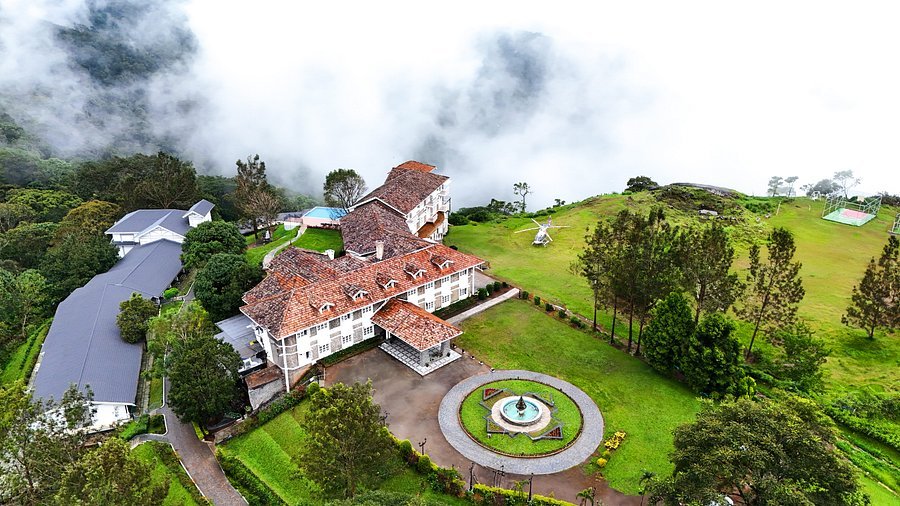
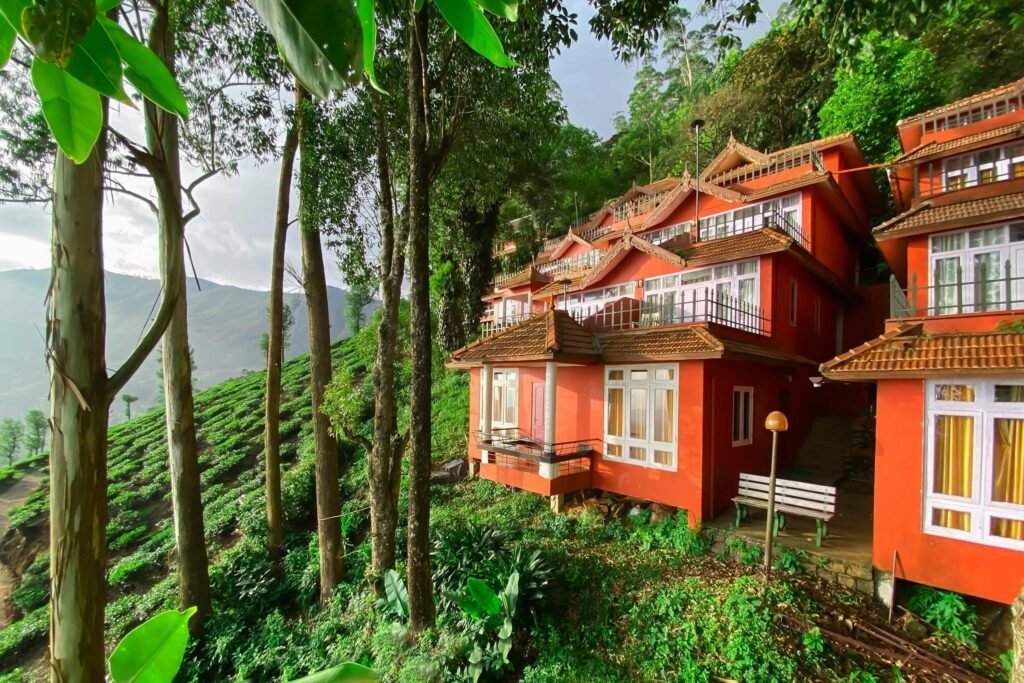
From luxury resorts with valley views to budget homestays, Munnar offers options for every traveler. Popular stays include colonial-era bungalows, eco-lodges, and tea estate resorts.

Suggested 3-Day Munnar Itinerary
Day 1 – Arrival & Tea Heritage
- Morning:
- Arrive in Munnar, check in to your hotel/resort.
- Visit the Tata Tea Museum to learn about tea history and enjoy a tasting session.
- Afternoon:
- Lunch at a local Kerala restaurant (try appam with stew).
- Stroll through tea plantations for photo stops and scenic views.
- Evening:
- Relax at Blossom Hydel Park or enjoy a sunset viewpoint nearby.
- Overnight stay in Munnar.
Day 2 – Nature & Adventure
- Morning:
- Early visit to Eravikulam National Park (best time to spot wildlife).
- If in bloom year, witness the Neelakurinji flowers.
- Afternoon:
- Head to Mattupetty Dam & Lake for boating.
- Continue to Kundala Lake for pedal boating amidst cherry blossoms.
- Evening:
- Drive to Top Station for breathtaking sunset views over the Western Ghats.
- Return for a traditional Kerala dinner.
Day 3 – Treks & Waterfalls
- Morning:
- Early trek to Anamudi Peak or Meesapulimala for panoramic landscapes.
- Afternoon:
- Visit Attukal Waterfalls for nature walks and photography.
- Optionally explore Chinnar Wildlife Sanctuary if you’re a wildlife enthusiast.
- Evening:
- Last-minute shopping for tea, spices, and homemade chocolates.
- Depart from Munnar with unforgettable memories.
Why Visit Munnar?
Munnar is more than just a hill station – it’s an experience. Whether it’s sipping tea amidst the plantations, walking through misty hills, spotting rare wildlife, or enjoying a traditional Kerala meal, Munnar offers moments that connect you to nature and culture alike.
FAQs about Munnar
Q1. What is Munnar famous for?
Munnar is famous for its tea plantations, misty hills, wildlife sanctuaries, and cool climate.
Q2. How many days are enough to visit Munnar?
A 3–4 day trip is ideal to cover major attractions and enjoy leisure time.
Q3. Is Munnar safe for solo travelers?
Yes, Munnar is generally safe, but always take standard precautions.
Q4. Can I see snow in Munnar?
No, Munnar does not get snowfall, but winters can be quite cold with thick mist.
Q5. When does Neelakurinji bloom in Munnar?
The Neelakurinji flowers bloom once every 12 years, with the next expected bloom in 2030.







What's Your Reaction?