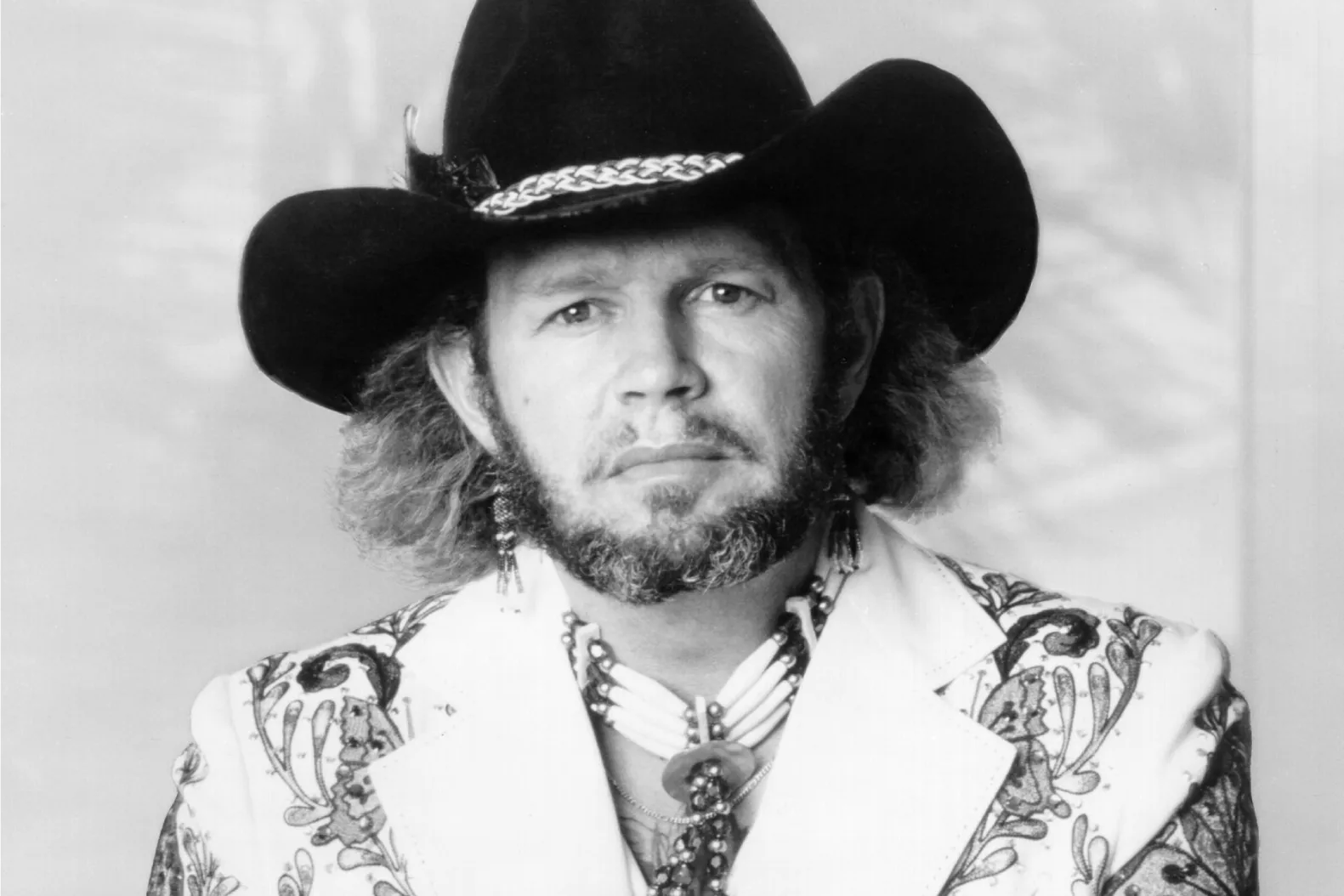
David Allan Coe, the outlaw country music singer widely recognized for his unapologetic and confrontational persona, as well as songs like You Never Even Called Me by My Name and The Ride, has died at the age of 86.
His wife, Kimberly Hastings Coe, confirmed his passing to Rolling Stone. In her statement, she described him as “one of the best singers, songwriters, and performers of our time [and] never to be forgotten.” She added, “My husband, my friend, my confidant and my life for many years. I’ll never forget him and I don’t want anyone else to ever forget him either.” As of now, no cause of death has been disclosed.
A Complex and Contradictory Figure in Country Music
Coe was never a simple figure to define. He built an image that felt larger than life—part truth, part storytelling. Known for recounting tales of prison life and life on the road, he essentially created his own mythology.
Beyond his persona, Coe was a significant force behind the scenes. He wrote mainstream hits for artists like Tanya Tucker and Johnny Paycheck. One of his most notable songwriting achievements, Take This Job and Shove It, became a defining anthem and was entirely his creation. His own recordings, especially You Never Even Called Me by My Name, remain staples on playlists, radio rotations, and jukeboxes.
However, his legacy is also marked by controversy. A series of offensive and racially charged songs—later described by Coe as parody—continue to draw criticism and discomfort even today.
Early Life Marked by Crime and Controversy
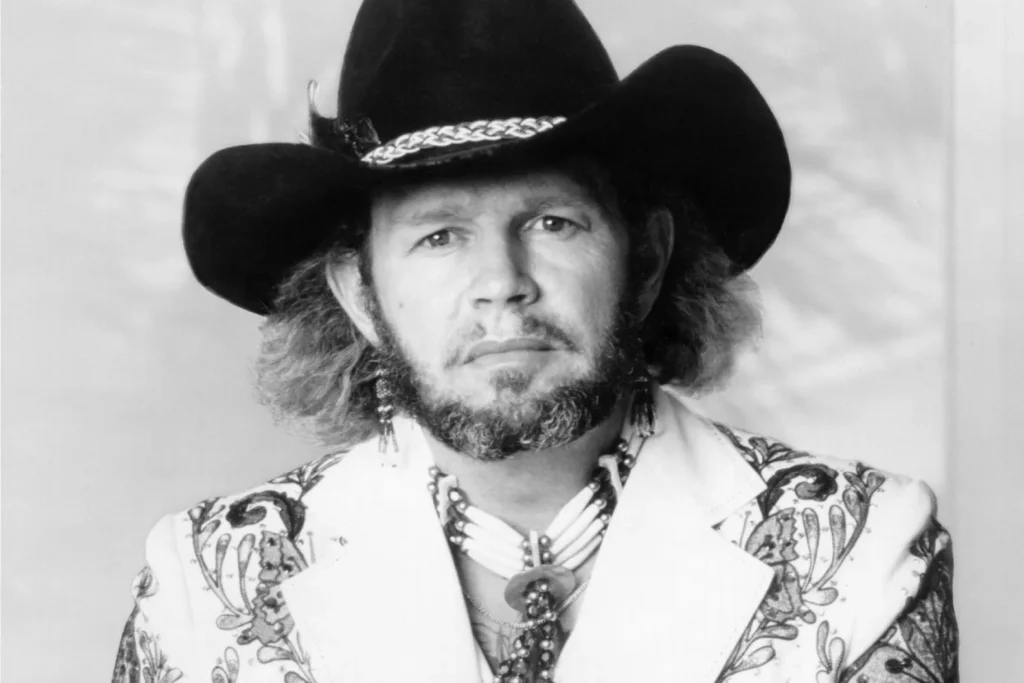
Born on September 6, 1939, in Akron, Coe spent a significant portion of his youth moving in and out of reformatories and prisons. His charges ranged from grand theft auto to possession of burglary tools.
One of the most shocking claims from his past came during a period of incarceration in the fall of 1963. Coe stated that he killed a fellow inmate using a mop bucket after being threatened in the prison showers.
In a 1975 interview, he reflected on his time behind bars, saying he sometimes felt more comfortable in prison than in society. He described waking up in county jail and feeling relieved at the thought of returning to prison, where he believed he would be safer and removed from the outside world.
Yet, not everyone believed his stories. Shelby Singleton, the Nashville producer who helped bring Coe into the spotlight, told Rolling Stone in 1976 that much of Coe’s storytelling was exaggerated. He remarked that “ninety percent” of what Coe said was likely untrue, suggesting it was part of a deliberate image that was even promoted as a gimmick.
Music, Mythology, and Self-Reference
The song You Never Even Called Me by My Name, written by Steve Goodman and an uncredited John Prine, became one of Coe’s defining tracks. It allowed him to both celebrate and poke fun at country music traditions while incorporating impersonations of artists like Waylon Jennings and Merle Haggard.
Coe frequently referenced himself in his music, reinforcing his larger-than-life persona. In “Longhaired Redneck,” he sang about resembling Merle Haggard while sounding like himself. In “Willie, Waylon and Me,” he famously introduced himself as being from Dallas, Texas—despite actually being from Ohio—embedding himself into the stories of Willie Nelson and Waylon Jennings. Later, in “Son of the South,” he listed artists he admired, including Hank Williams Jr., Lynyrd Skynyrd, The Allman Brothers Band, and even himself.
Songwriting Success and Controversial Releases
While Coe enjoyed moderate success as a performer in the 1970s, his biggest impact during that decade came as a songwriter. In 1977, Johnny Paycheck recorded Take This Job and Shove It, which became a number one country hit and introduced a rebellious phrase into popular culture.
David Allan Coe later recorded his own version in 1978 on the album Family Album, which also included the playful and suggestive track “Divers Do It Deeper.”
Though relatively lighthearted, that song hinted at a more controversial direction. David Allan Coe independently released two explicit records—Nothing Sacred (1978) and Underground Album (1982). These “X-rated” albums drew backlash for their use of racial slurs and misogynistic content. David Allan Coe maintained that they were intended as parody, inspired by Dr. Hook’s 1972 album Freakin’ at the Freakers Ball, featuring songs by Shel Silverstein.
Comeback and Continued Career
In the 1980s, David Allan Coe shifted back to more mainstream material. His 1983 album Castles in the Sand marked a comeback, reaching the Top 10 on the country albums chart. Its standout track, The Ride, told the story of a hitchhiker encountering the ghost of Hank Williams. Staying true to form, Coe added a closing verse referencing contemporary artists, including himself.
David Allan Coe continued releasing music well into the 2000s, including live albums, spoken-word recordings, and compilations. Between 1999 and 2003, he collaborated with members of the heavy metal band Pantera on the album Rebel Meets Rebel (2005). He also formed a friendship with Kid Rock, opening for him on tour and contributing to recordings like “Single Father.”
Stage Presence and Later Years
In his later years, David Allan Coe remained a commanding and somewhat intimidating performer. With long hair and a braided beard, he often performed hunched over his guitar—one notably decorated with a Confederate flag design—while singing through a headset microphone.
His live shows included both his own hits and covers ranging from Kid Rock to Merle Haggard. He was especially popular at motorcycle rallies and even recorded a live album, Live From the Iron Horse Saloon, during the 2001 Biketoberfest event in Daytona Beach, near his home in Ormond Beach.
Legal Troubles and Financial Struggles
In the mid-2010s, David Allan Coe faced financial difficulties. In 2015, he pleaded guilty to charges related to obstructing tax laws and was sentenced to three years of probation for tax evasion. He was also required to pay nearly $1 million in back taxes to the IRS.
While this was different from the crimes associated with his earlier life, it reinforced the “outlaw” image that followed him throughout his career.

A Life Driven by Recognition
In a 1975 film blending documentary, concert footage, and performance art, Coe visited Marion Correctional Institution, reflecting on his past and motivations. He suggested that his drive was rooted in being recognized and remembered.
“I’ve found my place in society. And it’s not in a prison,” he said. “I no longer have to come back here and have everybody knowing who David Allan Coe is; now everybody on the street knows who I am. So I still get that satisfaction of being somebody.”
FAQ
1. Who was David Allan Coe?
David Allan Coe was an American outlaw country singer known for his rebellious image, storytelling style, and iconic songs like “You Never Even Called Me by My Name” and “The Ride.”
2. How did David Allan Coe die?
As of now, the cause of his death has not been publicly disclosed.
3. What were his most famous songs?
Some of his most recognized songs include “You Never Even Called Me by My Name,” “The Ride,” and “Take This Job and Shove It” (which he wrote).
4. Why was David Allan Coe controversial?
He faced criticism for releasing explicit albums containing offensive language and racial content, which he claimed were intended as parody.
5. Did David Allan Coe spend time in prison?
Yes, he spent much of his early life in reformatories and prisons, though some of his claims about that period have been questioned.
6. What was his contribution to country music?
Coe contributed both as a performer and songwriter, influencing outlaw country music and writing major hits for other artists.
7. Did he collaborate with other artists?
Yes, he worked with artists such as Kid Rock and members of Pantera, showcasing his versatility across genres.
8. What was his legacy?
David Allan Coe is remembered as a complex, controversial, and influential figure whose life and music blurred the line between reality and legend.