China’s mountain towns are where landscape and culture braid together: ancient trade routes, sacred peaks and ethnic minorities have all left layered marks on hill-station life. Below are five of the best hill-station destinations to visit in China, each described with historical background, cultural influence, signature foods, places to stay, and practical cost guidance so you can plan an immersive, grounded trip.
1. Huangshan (Yellow Mountain), Anhui — the painter’s mountain
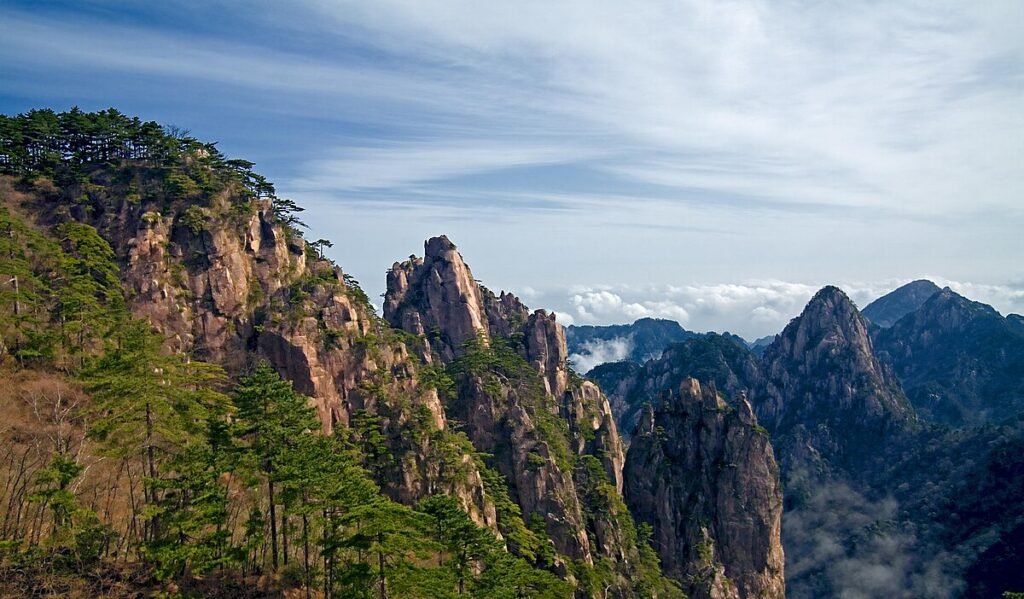
Huangshan, or Yellow Mountain, has been venerated in Chinese art, poetry and philosophy for more than a thousand years. Imperial literati and brush-painters from the Tang and Song dynasties praised its jagged granite peaks, ancient pines and the “sea of clouds,” and that aesthetic established Huangshan as an icon of classical Chinese landscape painting and literati imagination.
The area’s historical resonance continues in local villages like Tunxi (the old town at the mountain’s foot), historic tea terraces and preserved Anhui architecture. Huangshan’s influence extends beyond the arts: local craftsmanship, ink-brush aesthetics and tea culture (notably Huangshan Maofeng green tea) all owe much to the mountain’s identity.
Culturally the mountain is a crossroads: pilgrims and artists, modern hikers and local tea farmers all coexist.
Expect steep stone paths, cable cars that ferry hikers up to high ridgelines and guesthouses clinging to plateaus. Food around Huangshan reflects Anhui culinary traditions—hearty braised dishes that make use of local mountain produce and freshwater ingredients, plus tea-centered snacks and simple mountain breads. For a regional specialty try dishes that incorporate local bamboo shoots, wild mushrooms and the delicate Huangshan tea in desserts or beverages.
Where to stay: options range from budget inns in Tunxi (¥150–¥400 / night) to historic-style boutique hotels near Tunxi Old Street and higher-end mountain hotels on the peaks (rooms on-mountain can run CNY 800–1,500 / night in peak season). Day trips are common, but staying a night on the mountain to catch the sunrise above the clouds is widely recommended.
Entrance fees and cable cars vary by season; combined tickets including cableway can be around CNY 190–230 in peak times — budget an extra CNY 65–100 for individual cable car rides.
Estimated daily cost (mid-range traveller): CNY 400–900 (includes transport from a nearby city, mid-range hotel, meals and a cable car/ticket).
2. Zhangjiajie (Wulingyuan) — the pillar forests that inspired “Avatar”
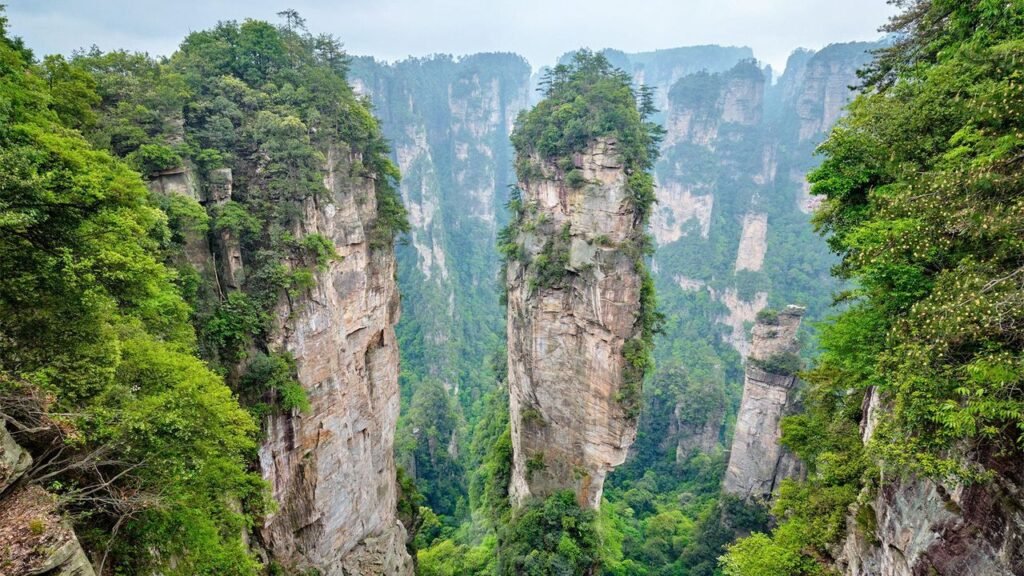
Zhangjiajie’s otherworldly quartzite pillars shoot vertically from the forest floor and have become a modern icon after inspiring the floating mountains in the film Avatar. Historically this region of Hunan was sparsely populated by Miao and Tujia peoples; only in the late 20th century did the area gain international attention and protection as part of the Wulingyuan Scenic Area and Zhangjiajie National Forest Park.
Its modern cultural identity blends local minority traditions with an adrenaline-tourism ethos—glass walkways, glass bridges, and dramatic cable cars now sit alongside traditional villages.
Local life in Zhangjiajie is strongly influenced by Hunan’s bold, spicy cuisine—expect chilies, pickled vegetables, smoked meats and rustic river fish. If you want a local flavor, try Hunan-style smoked pork or a farmers’ banquet in a Tujia village; markets sell local corn cakes, millet snacks and preserved mountain mushrooms.
Accommodation clusters around Wulingyuan, Zhangjiajie city and the park entrances; choices run from budget guesthouses (¥100–¥250/night) to international chain and boutique hotels (¥400–¥1,200/night). Park entrance fees and cable car lines (including the famous
Tianmen Mountain cableway and glass skywalks) add to the cost: single cable car rides or special attraction passes can cost anywhere from CNY 65 for a short hop to a few hundred yuan for combined experiences.
Estimated daily cost (mid-range traveller): CNY 450–1,000 (including park tickets or cable cars, mid-range lodging, meals, and local transfers).
3. Lijiang and Jade Dragon Snow Mountain, Yunnan — Naxi culture on the plateau
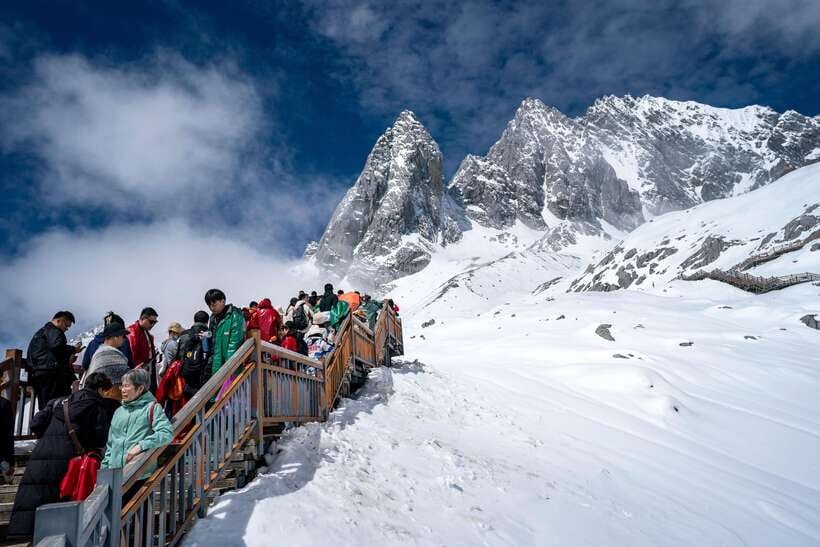
Lijiang Old Town, the historic “Dayan” district, sits at the edge of high plateaus beneath the Jade Dragon Snow Mountain and was a key stop on the ancient Tea Horse Road. Lijiang’s built environment—stone bridges, flowing canals and Naxi and Bai architecture—reflects centuries of trade and cultural mixing and earned Old Town UNESCO World Heritage status for its living cultural landscape.
The Naxi people’s Dongba script, music and rituals remain a visible part of town life and visitor rituals.
Culinary culture in Lijiang is an appealing fusion of Yunnan flavors and ethnic foods: try Naxi “baba” (a thick pan bread), local yak or mutton dishes in higher-elevation villages, and Yunnan’s famous mushroom and herb preparations.
Tea houses and small family-run restaurants often serve slow-simmered soups, wild herbs and buttered noodles. Places to stay range from guesthouses inside Old Town (¥200–¥500/night) to boutique heritage hotels and mountain lodges near Jade Dragon Snow Mountain (¥500–¥1,200+). Tourist seasons peak in summer and autumn; budget for park visits or cable lifts if you plan up-mountain excursions.
Estimated daily cost (mid-range traveller): CNY 350–900 (Old Town guesthouse, daily meals, occasional park/cable tickets).
4. Jiuzhaigou Valley, Sichuan — turquoise lakes and Qiang/Tibetan culture
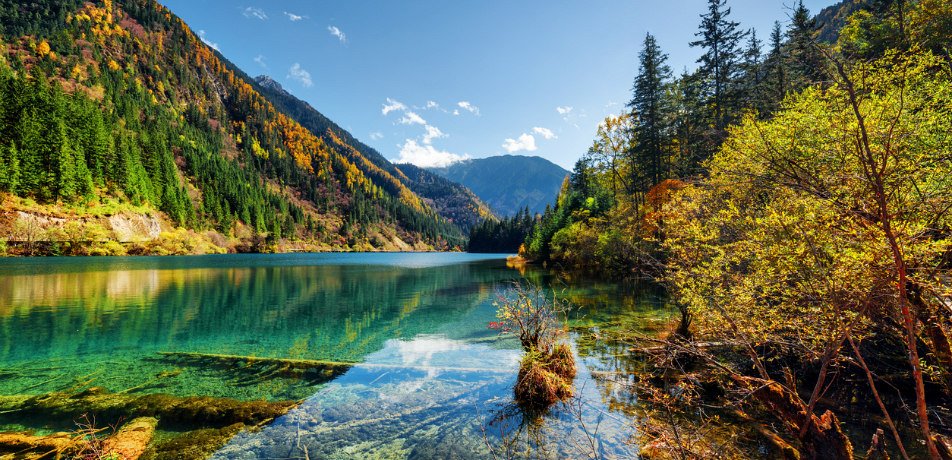
Jiuzhaigou is a glacial valley famous for jewel-toned lakes, layered waterfalls and forested slopes. The valley lies within a Tibetan and Qiang cultural zone and preserves strong elements of Tibetan customs, prayer flags and village life; these cultural influences amplify the area’s spiritual and visual appeal.
Jiuzhaigou National Park’s striking color palette has made it one of China’s most-photographed natural sites and has drawn both domestic and international tourism.
Cuisine here leans Tibetan and Sichuan: you’ll find yak butter tea, tsampa (barley flour dishes), hearty stews, and Sichuan spicy favorites in nearby towns. Accommodations concentrate in Zhangzha Town (the base closest to the park) and range from Tibetan-style guesthouses and homestays (CNY 100–300/night) to mid-range hotels and resorts (CNY 400–1,200/night).
Practical note: you cannot stay inside the ecological core of Jiuzhaigou, so expect a short commute from hotels in Zhangzha. Seasonality affects price heavily—peak autumn foliage and summer months push rates to the higher end. Entrance fees plus shuttle buses inside the park are the main on-site costs; hotels in the town can range widely with peak-season spikes.
Estimated daily cost (mid-range traveller): CNY 400–1,000 (park tickets & shuttles, hotel, meals).
5. Mount Emei (Emeishan), Sichuan — Buddhist mountain and pilgrimage culture
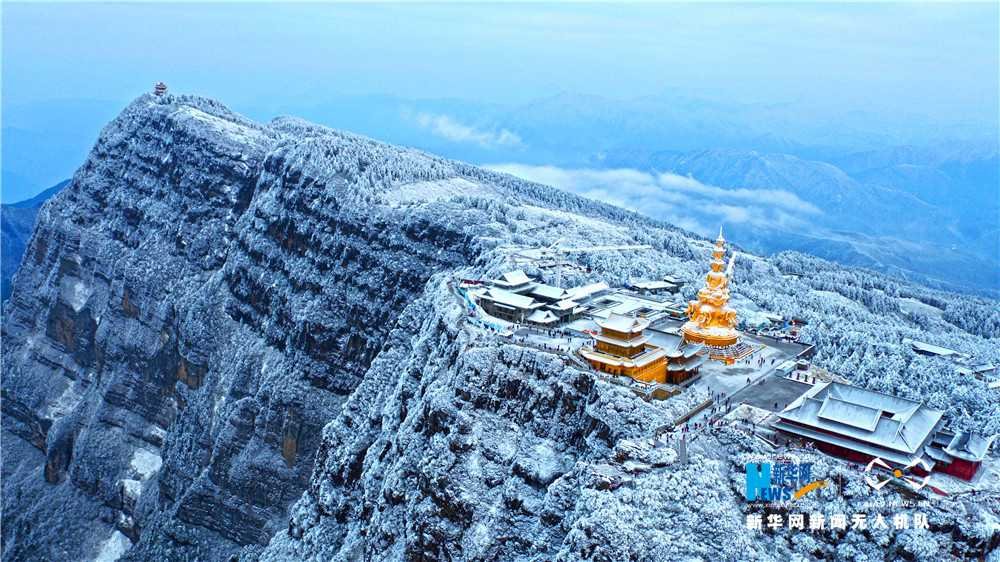
Mount Emei is one of China’s Four Sacred Buddhist Mountains, a pilgrimage center with temples, monastic vegetarian feasts and a long, layered history of religious practice and pilgrimage.

The mountain’s cultural gravity lies in its monasteries, cliff-side stupas and a long-running tradition of temple cuisine—imitation meats, carved bean curd dishes and carefully prepared vegetarian banquets are a feature of temple hospitality here. Emei’s sunrise viewpoints and mist-swathed ridgelines are also historically beloved by poets and pilgrims.
Cultural experiences around Emei include visiting temples, participating in vegetarian temple meals, and learning about Buddhist iconography. Accommodation options include simple pilgrim inns near lower temples (¥80–¥250/night), mid-range hotels in the town below, and a handful of hotels higher on the mountain (including temple guesthouses and dedicated hotels) that can cost ¥300–¥900 per night.
Many visitors combine Emei with a visit to the nearby Leshan Giant Buddha; combined guided tours are common and can start at a few hundred USD for multi-day packaged itineraries depending on inclusions.
Estimated daily cost (mid-range traveller): CNY 300–800 (temple meals, mid-range lodging, transport).
Practical planning tips, costs and timing
Seasons matter: summer brings comfortable mountain weather and cloud seas on Huangshan and Emei, while autumn yields spectacular foliage in Jiuzhaigou and Lijiang; winter can deliver dramatic snows but also closures or reduced services.
Many of these parks have entrance fees, cable car costs or internal shuttles—budget individually for those (typical ranges noted above). In general, plan for a mid-range daily travel budget of roughly CNY 350–1,000 depending on destination and whether you buy special attraction tickets (glass bridges, cable cars, etc.).
If you aim to keep costs lower, use town-based guesthouses, eat at markets or family restaurants, and book off-peak travel. For a more comfortable trip that includes mid-range hotels, guided day tours and several park tickets, allow CNY 700–1,500 per day in peak seasons.
FAQ (short, useful answers)
Q: Do I need a permit to visit these hill stations?
A: No special foreign-permit is required beyond a normal China entry visa, but some regions (remote Tibetan areas) occasionally require temporary checks; always check park rules and local travel advisories before travel.
Q: How fit do I need to be?
A: Moderate fitness is useful—many sites mix boardwalks and cable cars with long stone stairs and steep trails. Cable cars reduce strenuous ascent at most parks.
Q: What’s the best time to visit?
A: Late spring to early autumn for comfortable hiking and full services; autumn (September–November) is especially beautiful for Jiuzhaigou foliage and clear mountain skies. Huangshan is famous for “sea of clouds” in transitional seasons.
Q: Are English guides available?
A: Yes in major sites and towns—book in advance for private English-speaking guides, or join larger guided groups for an economical option.