The mid-size SUV segment in India is already one of the most competitive, led by the ever-popular Hyundai Creta. But things are about to heat up even further. Over the next twelve months, five all-new SUVs will be introduced to the Indian market, offering fresh designs, modern technology, and increased choices for buyers.
Here’s a closer look at what’s coming:
1. Maruti Escudo
Maruti Suzuki is preparing to introduce the Maruti Escudo, an all-new SUV that will be positioned just below the Grand Vitara in its line-up. Don’t confuse it with the global Suzuki Vitara sold in Japan – this is a unique model tailored for the Indian market. Internally codenamed Maruti Y17, the Escudo will be based on the same platform as the Grand Vitara but will be slightly longer.
Interestingly, the Escudo was initially planned as a seven-seater, but later redesigned as a five-seater. This change, however, comes with a big advantage – a spacious boot, making it practical for family use. It will be sold via Arena dealerships, targeting buyers looking for a mix of size, comfort, and value.
2. Tata Sierra
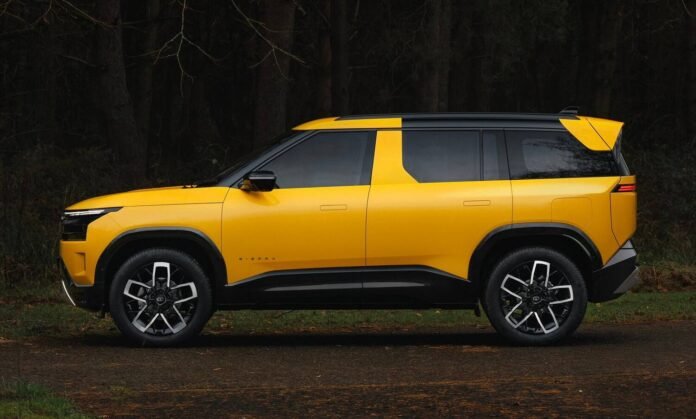
A name that defined the Indian SUV scene in the ’90s is making a comeback – the Tata Sierra. This time, it’s arriving as a five-door SUV, blending nostalgia with modern technology. The Sierra will debut two all-new petrol engines – a 1.5-litre naturally aspirated unit and a 1.5-litre turbocharged direct injection engine, expanding Tata’s petrol portfolio.
A standout feature will be a passenger touchscreen – a first for Tata Motors. But the Sierra’s revival story doesn’t end there. Tata will launch the Sierra.ev (electric version) before the petrol-powered version, a bold move that reflects the brand’s EV-first approach. This also hints that the ICE version is derived from the EV platform rather than the other way around.
3. Renault Duster (Third Generation)

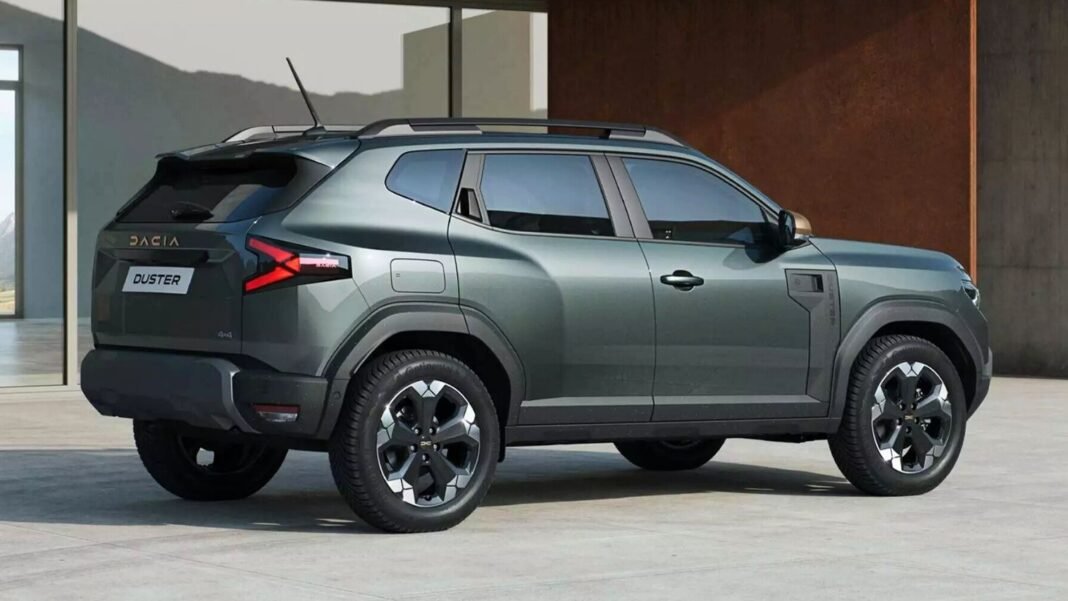
The Renault Duster is returning in a completely new avatar, promising a more premium yet rugged look. Built on the CMF-B LS platform, the third-gen Duster will retain its go-anywhere DNA while embracing modern styling.
At launch, it will likely be offered with two turbo-petrol options – a 1.0-litre three-cylinder and a 1.3-litre four-cylinder unit. Within a year, Renault is also expected to introduce its first hybrid SUV in India, expanding its electrified vehicle portfolio.
4. Next-Gen Kia Seltos
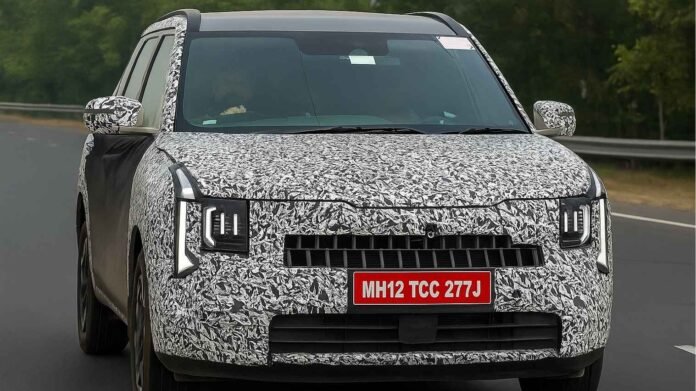
The Kia Seltos is already a crowd favourite, but its upcoming second-generation model is set to push boundaries even further. Following Kia’s ‘Opposites United’ design philosophy, the next-gen Seltos (codename SP3i) will grow in size – about 100 mm longer – and offer more boot space.
Feature highlights could include:
- Hands-free power tailgate
- Trinity Panoramic Display with ccNC software
- Ventilated rear seats
While the engine and transmission options may remain similar to the current model, a hybrid variant is on the cards, expected to debut around 2027.
5. Nissan’s Renault Duster-Based SUV
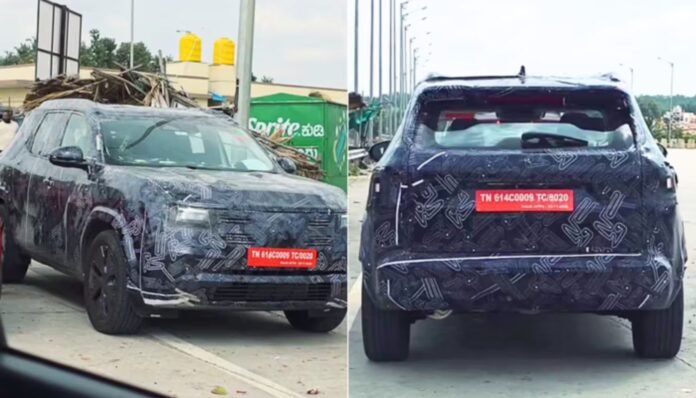
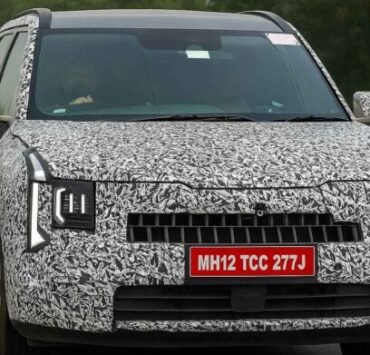
Hot on the heels of the Renault Duster’s launch, Nissan will bring its own version – the successor to the Nissan Terrano. Testing has already begun, and unlike the previous Terrano (which closely resembled the Duster), this new SUV will sport a distinct exterior inspired by the 7th-gen Nissan Patrol.
Inside, there will be noticeable design changes, although mechanically it will share the same engine line-up as the new Duster. Like its Renault sibling, it’s also expected to gain a hybrid variant within a year of launch.
FAQ – Things to Look for Before Buying a Car in India
1. What should I check before buying an SUV?
- Engine performance & fuel efficiency
- Safety features (airbags, ABS, ESP, ADAS)
- Boot space & seating comfort
- Service network availability
- Resale value and brand reputation
2. Is it better to buy petrol, diesel, or hybrid?
- Petrol: Best for city driving, lower initial cost
- Diesel: Better for long-distance travel, higher torque
- Hybrid: More fuel-efficient, eco-friendly, but costlier upfront
3. Should I wait for upcoming SUV models?
If you’re not in urgent need, waiting for upcoming launches can get you the latest features, better safety, and improved fuel efficiency. However, prices may be higher compared to outgoing models.
4. How important are after-sales services?
Very important. A strong service network ensures easy availability of spare parts, lower downtime, and better long-term ownership experience.
5. What safety rating should I look for?
Aim for SUVs with at least a 4-star Global NCAP rating for maximum occupant protection.